
Beyond Lake Toba: Discover Samosir and the Heart of North Sumatra
23 September 2026 72x INFO TOUR
Lake Toba may be the name that first brings travelers to North Sumatra, but the journey does not end at the lakeshore. In the middle of this vast volcanic landscape lies Samosir Island, a destination where dramatic scenery meets the living heritage of the Toba Batak people. From traditional villages and historic sites to lakeside escapes and local cuisine, Samosir offers a deeper way to experience North Sumatra. This guide takes you beyond the famous lake and into the culture, landscapes, and experiences that make Samosir worth exploring.
Why Go Beyond Lake Toba?
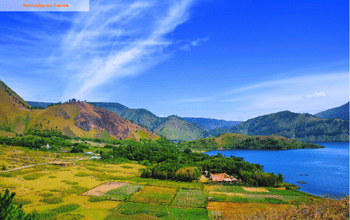
For many international travelers, Lake Toba is one of the first destinations they discover when researching North Sumatra. Its enormous volcanic landscape, cool atmosphere, and peaceful surroundings make it an appealing escape from busy cities.
However, seeing Lake Toba only from the mainland gives you just one part of the story. To understand the destination more deeply, travelers should continue toward Samosir Island, where the landscape is closely connected with the history and culture of the Toba Batak people.
Samosir is located within Lake Toba and is widely recognized as an important center of Toba Batak culture. Traditional villages, historic sites, handicrafts, architecture, and lakeside communities can be found across the island. Indonesia Travel also highlights Samosir as a key destination for experiencing the cultural heritage surrounding Lake Toba.
Therefore, a journey to North Sumatra becomes much more meaningful when Lake Toba and Samosir are explored together.
Samosir Island: The Cultural Heart of North Sumatra
Samosir Island North Sumatra is more than a scenic island in a volcanic lake. It is a place where nature and culture exist side by side.
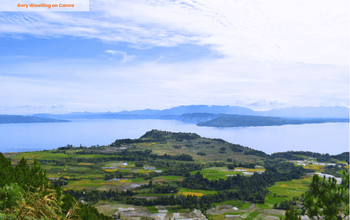
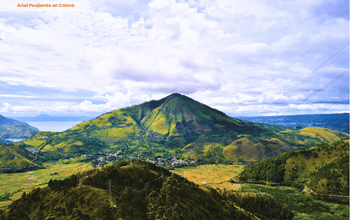
The island’s landscape changes as you travel around it. Along the shoreline, you will find small villages, hotels, restaurants, fishing areas, and viewpoints. Further inland, the scenery rises into hills and agricultural landscapes, creating a completely different perspective of Lake Toba.
At the same time, cultural attractions provide another reason to slow down and explore. Traditional Batak houses, historic settlements, textiles, music, dance, and local crafts all contribute to the identity of Samosir.
UNESCO describes the Toba Caldera as a region of significant geological and cultural heritage. The area is home to Batak communities whose traditions are closely connected to the surrounding environment. The Toba Caldera has been part of the UNESCO Global Geoparks network since 2020.
The Story Behind Lake Toba and Samosir
One of the most fascinating aspects of visiting Samosir is realizing that the landscape around you was shaped by enormous geological forces.
The Toba Caldera was created by a major volcanic eruption approximately 75,000 years ago. Today, the caldera contains Lake Toba, while Samosir Island rises from the lake at its center.
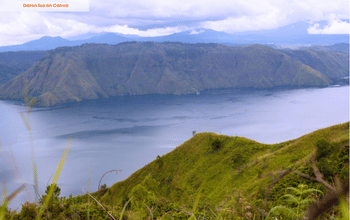
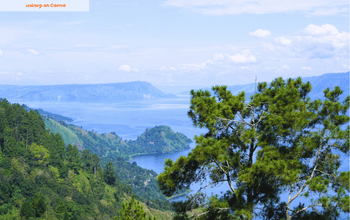
This geological history explains why the region looks so different from many other destinations in Indonesia. Instead of a typical tropical coastline, travelers encounter a vast lake surrounded by mountains, hills, agricultural areas, and volcanic landscapes.
UNESCO identifies Toba Caldera as a UNESCO Global Geopark and highlights both its geological significance and the cultural heritage of communities living within the area.
For travelers interested in nature, geology, and culture, this combination makes the destination particularly fascinating.
Best Places to Discover on Samosir Island
Samosir is not a destination where you need to rush from one attraction to another. Instead, its charm comes from exploring different areas and understanding how they connect with the local landscape and culture.
Tomok Village
Tomok is one of the most popular entry points to Samosir, particularly for travelers arriving from the Parapat side of Lake Toba.
The area is known for historical attractions, traditional Batak architecture, handicrafts, and souvenir stalls. One of its most well-known cultural sites is the tomb complex associated with King Sidabutar.
Tomok is also a convenient place to begin learning about Batak culture. Visitors can explore traditional houses, local handicrafts, and cultural performances while walking through the village.
Because Tomok is frequently included in Lake Toba itineraries, it can be a practical first stop for travelers visiting Samosir for the first time.
Tuktuk Siadong
Tuktuk Siadong, often simply called Tuktuk, is one of the best-known tourist areas on Samosir Island.
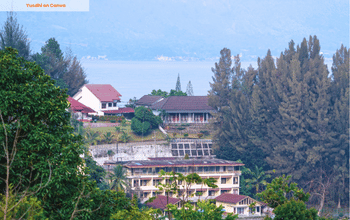
The area is popular because of its lakeside setting, relaxed atmosphere, accommodation options, restaurants, and scenic surroundings. Instead of treating Tuktuk as just another sightseeing stop, consider staying overnight and enjoying the slower rhythm of life beside Lake Toba.
In the morning, the atmosphere can be particularly peaceful. You can enjoy breakfast overlooking the lake, walk around the area, or simply take time to appreciate the surrounding hills and water.
Indonesia Travel identifies Tuktuk as a popular tourist area with hotels, homestays, restaurants, handicrafts, and access to the lakeside environment.
Ambarita and Huta Siallagan
Travelers interested in history and traditional culture should include Ambarita in their itinerary.
One of the major attractions here is Huta Siallagan, a traditional Batak village known for its historic stone structures and traditional houses. The site provides insight into the social and political life of Batak communities in the past.
The village is particularly interesting because visitors can see how architecture, community organization, and local traditions were connected. Indonesia Travel describes Huta Siallagan as a traditional Batak settlement in Ambarita with traditional houses and the historic Batu Persidangan.
Rather than simply taking photographs, travelers can make the experience more meaningful by listening to local explanations about the history and traditions associated with the site.
Museum Huta Bolon Simanindo
If you want to learn more about Batak heritage, Museum Huta Bolon Simanindo is another destination worth considering.
The museum complex provides an opportunity to see traditional Batak architecture and cultural objects. It is also associated with traditional artistic performances, giving visitors another perspective on the region’s heritage.
A cultural museum can be especially useful for first-time visitors because it provides context before or after exploring traditional villages elsewhere on Samosir.
Pusuk Buhit
Pusuk Buhit is a mountainous area associated with Batak cultural traditions and offers another perspective on the landscape surrounding Lake Toba.
The elevated landscape provides opportunities to appreciate the relationship between Samosir’s hills, villages, agricultural areas, and the enormous lake below.
For outdoor activities, however, travelers should consider weather conditions and their physical ability. Routes in elevated areas can require more preparation than visiting cultural sites around Tomok or Ambarita.
Discover the Toba Batak Culture
One of the strongest reasons to visit Samosir is the opportunity to encounter Toba Batak culture in the place where it developed and continues to be practiced.
The culture can be experienced through architecture, textiles, traditional performances, food, crafts, and community traditions. As a result, even a short trip can become an educational experience when travelers take time to understand what they are seeing.
Traditional Batak Houses
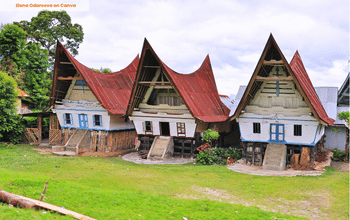
Traditional Batak houses are among the most recognizable architectural features around Lake Toba.
Their distinctive roofs, wooden structures, and decorative elements reflect traditional building knowledge and cultural symbolism. UNESCO also highlights traditional Batak houses within the Toba Caldera UNESCO Global Geopark and notes their distinctive architectural features and Gorga carvings.
When visiting traditional villages, look beyond the exterior design. Details such as carvings, roof shapes, building arrangements, and decorative patterns can tell stories about the culture and values of the community.
Ulos: More Than a Traditional Textile
Ulos is one of the most recognizable cultural products associated with the Batak people.
Traditionally handwoven, ulos is connected with important moments and ceremonies in Batak life. UNESCO notes that ulos remains a significant cultural symbol and continues to be produced in the region, including contemporary forms such as bags and tablecloths.
For visitors, purchasing ulos can be more meaningful when you learn about its patterns, production process, and cultural role instead of treating it simply as a souvenir.
Tor Tor Dance
Tor Tor is a traditional Batak dance that forms part of the region’s cultural identity.
Depending on your itinerary and local availability, you may have opportunities to see traditional performances. When watching a cultural performance, take time to understand its background rather than viewing it only as entertainment.
Sigale-gale
Sigale-gale is a traditional wooden puppet associated with the cultural heritage of Samosir. The puppet has become one of the cultural attractions introduced to visitors around Tomok.
Its presence adds another layer to the cultural experience of Samosir, particularly for travelers interested in traditional storytelling and performing arts.
Experience Lake Toba from a Different Perspective
One of the best things about staying on Samosir is that Lake Toba stops being just a backdrop and becomes part of your daily travel experience.
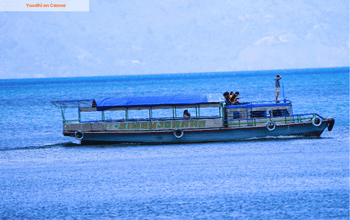
Instead of seeing the lake briefly from a viewpoint, you can wake up beside the water, enjoy a slow breakfast, take a boat ride, walk along the shoreline, or watch the changing light across the surrounding hills.
This slower pace is particularly appealing for travelers who prefer experiential tourism rather than a tightly packed sightseeing schedule.
At the same time, Samosir offers enough cultural and scenic attractions to keep an itinerary interesting for several days.
Local Food You Should Try
Exploring North Sumatra also means discovering its distinctive culinary traditions.
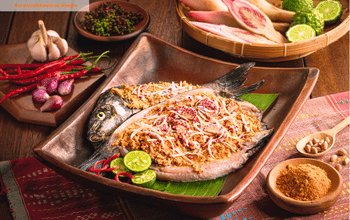
Batak cuisine is known for bold flavors and ingredients that may be unfamiliar to international visitors. One ingredient closely associated with the region is andaliman, a local spice that provides a distinctive peppery and slightly numbing sensation.
Travelers may encounter dishes such as arsik, naniura, and natinombur, although preparation and ingredients can vary between restaurants.
If you have dietary restrictions, allergies, or require halal food, communicate your requirements clearly before ordering. This is especially important when trying traditional dishes for the first time.
How to Get to Samosir Island
For international travelers, the most practical access point depends on the overall North Sumatra itinerary.
Via Kualanamu International Airport
Travelers arriving at Kualanamu International Airport (KNO) can continue by road toward the Lake Toba region.
One common route is Kualanamu or Medan to Parapat, followed by a ferry crossing toward Samosir. Indonesia Travel notes that the road journey from Medan to Parapat generally takes around four to five hours, depending on traffic and road conditions.
From the Parapat area, travelers can continue toward the ferry crossing and then enter Samosir Island.
Via Sisingamangaraja XII International Airport
Another access option is Sisingamangaraja XII International Airport, commonly known as Silangit Airport.
This airport can be useful for itineraries focused on the Lake Toba region, particularly destinations on the western or southern side of the lake. From the airport, travelers continue by road toward their chosen destination.
The most suitable airport depends on your flight schedule and the route you plan to take around Lake Toba.
Crossing Lake Toba to Samosir
If you travel through Parapat, one popular option is to cross the lake toward Samosir by ferry. Indonesia Travel notes that the ferry journey from the Ajibata area toward Tomok can take approximately 30–40 minutes, although travelers should check current schedules before departure.
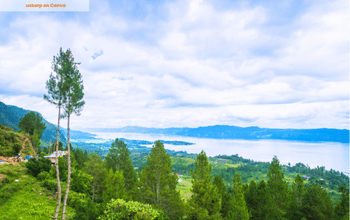
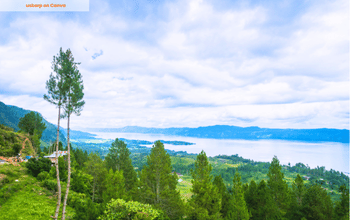
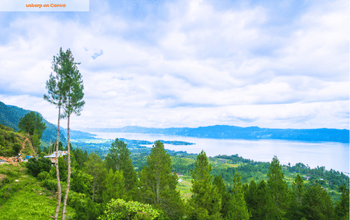
The crossing itself is part of the experience. As the boat moves away from the mainland, the views of Lake Toba and the surrounding mountains gradually open up, providing a memorable introduction to Samosir.
How Long Should You Stay in Samosir?
There is no single ideal duration because it depends on the pace of your journey.
For travelers with limited time, 2 days and 1 night can provide an introduction to Samosir. You could combine Tomok, Tuktuk, Ambarita, and Huta Siallagan within a compact itinerary.
However, if you want a more relaxed experience, 3 days and 2 nights gives you more flexibility. You can spend less time on the road and more time enjoying the lake, exploring villages, and experiencing local culture.
For travelers exploring North Sumatra more extensively, Samosir can also be combined with destinations such as Medan, Berastagi, Parapat, Balige, or other areas around Lake Toba.
Sample Samosir and Lake Toba Itinerary
Day 1: Medan – Parapat – Samosir
- Arrive in Medan or at Kualanamu International Airport.
- Continue the journey toward Parapat.
- Enjoy the first views of Lake Toba.
- Continue to the ferry crossing.
- Cross Lake Toba toward Samosir.
- Explore Tomok Village.
- Visit the Raja Sidabutar tomb complex.
- Continue to Tuktuk.
- Check in and enjoy the lakeside atmosphere.
Day 2: Cultural Samosir
- Enjoy breakfast beside Lake Toba.
- Explore Ambarita.
- Visit Huta Siallagan.
- Discover traditional Batak houses and cultural heritage.
- Explore local handicrafts and ulos.
- Enjoy local cuisine.
- Continue exploring scenic areas around Samosir.
- Return to Tuktuk for the evening.
Day 3: Samosir – Lake Toba – North Sumatra
- Enjoy a relaxed morning beside the lake.
- Take photographs or explore the surrounding area.
- Return toward the ferry crossing.
- Cross back toward Parapat.
- Continue to Medan, the airport, or another North Sumatra destination.
This itinerary can be adjusted depending on your arrival time, accommodation, ferry schedule, and the destinations you want to prioritize.
Travel Tips for Exploring Samosir
Give Yourself Enough Time
Samosir may look compact on a map, but road travel, sightseeing stops, and ferry schedules can make the journey take longer than expected.
Rather than filling every hour with attractions, leave some space for unexpected stops and time beside the lake.
Check Ferry Information Before Traveling
Ferry schedules and operating conditions can change. Therefore, travelers should check the latest information before planning tight connections.
This is especially important if you have a flight or another major transportation connection on the same day.
Stay Overnight on Samosir
If your schedule allows, staying overnight can change the way you experience the destination.
Instead of arriving in the morning and leaving later in the day, you can experience the quieter atmosphere around the lake during the early morning and evening.
Respect Local Culture
Traditional villages, tombs, houses, and cultural sites are not simply tourist attractions. They are part of the heritage of local communities.
Dress appropriately, follow local guidance, and ask permission before photographing people when appropriate.
Prepare for Different Weather Conditions
Lake Toba is located in a highland environment compared with many coastal destinations in Indonesia. Temperatures can feel cooler, particularly in the early morning and evening.
Bring comfortable clothing and a light jacket, especially if you plan to spend significant time outdoors.
Why Samosir Is Worth Adding to Your North Sumatra Journey
Samosir offers something that is difficult to capture in a single photograph.
There is the scale of Lake Toba, the dramatic volcanic landscape, the traditional architecture, the stories behind historical sites, the craftsmanship of ulos, and the everyday life of communities around the lake.
Most importantly, these elements are connected. The landscape influenced settlement patterns, local communities developed traditions around their environment, and cultural heritage remains visible throughout the island.
That is why exploring Samosir Island North Sumatra can turn a simple Lake Toba visit into a much deeper North Sumatra travel experience.
Plan Your Samosir and Lake Toba Journey with SannHoliday Indonesia
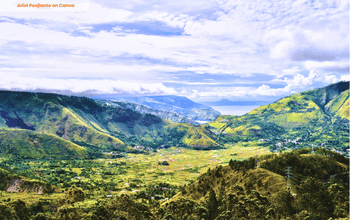
Planning a trip to Samosir involves more than choosing a hotel. You also need to consider your arrival airport, road transfers, ferry connections, sightseeing routes, accommodation location, and the amount of time you want to spend enjoying the lake.
For first-time travelers to North Sumatra, having a well-organized itinerary can make the journey more comfortable and efficient.
SannHoliday Indonesia can help you explore travel options around Lake Toba and Samosir based on your travel dates, group size, preferred accommodation, and itinerary.
Whether you are planning a private trip, family holiday, couple getaway, or a broader North Sumatra journey, you can discuss your travel plans before making a booking.
Ready to go beyond Lake Toba? Discover Samosir, experience the culture of North Sumatra, and create an itinerary that gives you time to enjoy both the destination and the journey.
Explore SannHoliday Indonesia and plan your North Sumatra journey →
Frequently Asked Questions About Samosir Island
Where is Samosir Island located?
Samosir Island is located within Lake Toba in North Sumatra, Indonesia. It is a volcanic island and an important area for experiencing Toba Batak culture.
What is Samosir Island famous for?
Samosir is known for its Lake Toba scenery, Toba Batak culture, traditional villages, historic sites, traditional houses, ulos textiles, local cuisine, and relaxed lakeside atmosphere.
How do I get to Samosir from Medan?
A common route is traveling from Medan toward Parapat and then crossing Lake Toba by ferry toward Samosir. Travelers can also consider flights to Sisingamangaraja XII International Airport depending on their itinerary.
What are the best places to visit in Medan?
Popular places include Tomok, Tuktuk Siadong, Ambarita, Huta Siallagan, Museum Huta Bolon Simanindo, and areas around Pusuk Buhit.
How many days are enough for Samosir?
Two days and one night can provide a brief introduction, while three days and two nights allow for a more relaxed exploration of the island and its cultural attractions.
Is Samosir suitable for international travelers?
Yes. Samosir has tourist accommodation, restaurants, cultural attractions, and established routes connecting it with Parapat and other parts of North Sumatra. However, planning transportation and accommodation in advance can make the experience more convenient.

Maybe you are interested in reading the following article:
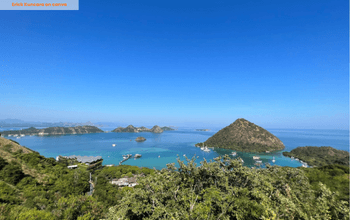
Di Bawah Langit Bajo – Cerita Laut, Komodo & Senja
Ada perjalanan yang selesai ketika pesawat mendarat kembali di rumah. Namun, ada pula perjalanan yang terasa masih hidup bahkan setelah koper dibongkar. Wisata Labuan Bajo termasuk di antaranya. Di sini, perjalanan membawa Anda melewati laut Flores, pulau-pulau dengan perbukitan savana, habitat komodo, pantai berwarna unik, dunia bawah laut, hingga... read more
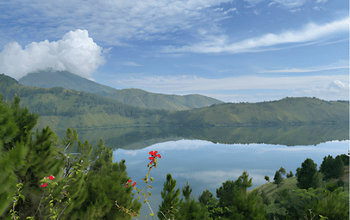
Wisata Danau Toba : Samosir, Budaya, dan Kehidupan Lokal
Danau Toba sering kali dikenal karena pemandangannya yang luas, air danau yang tenang, dan perbukitan hijau yang mengelilinginya. Namun, keindahan Danau Toba sebenarnya tidak berhenti pada panorama. Di tengahnya terdapat Pulau Samosir, sebuah kawasan yang memperlihatkan kekayaan budaya Batak, desa tradisional, kuliner lokal, kerajinan, serta kehidupan masyar... read more
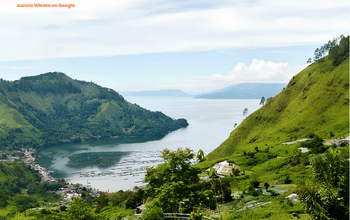
Lake Toba: The Ultimate Guide to Indonesia’s Massive Volcanic Lake
Imagine standing on the edge of a vast blue expanse, surrounded by steep green caldera walls, with a massive island rising from the water in the middle. This is Lake Toba — the largest volcanic lake on Earth and one of Indonesia’s most breathtaking natural wonders. Formed by a colossal supervolcanic eruption around 74,000 years... read more

PT.Sannjaya Anugerah Wisata
https://sannholidayindonesia.com/ merupakan brand spesialis perjalanan wisata di Indonesia yang dimiliki dan dikelola oleh PT Sanjaya Anugerah Wisata (SannHoliday).
SannHoliday Indonesia - Connecting You to the Best of Indonesia
Wizata Theme versi 1.2.1 by Oketheme.com
Contact Us
If you have any questions, please contact us.
-
Hotline
+6285373868668 -
Whatsapp
+6281260328410 -
Messenger
oketheme -
PIN BBM
BBM123 -
LINE ID
LINE123 -
Email
info@sannholidayindonesia.com


No comment yet