
Sumba Island: Indonesia’s Hidden Cultural Paradise
19 October 2026 26x TRAVEL TIPS
While most travelers flock to Bali or Komodo, a quieter and far more authentic destination waits further east. Sumba Island, part of East Nusa Tenggara, remains one of Indonesia’s best-kept secrets. Here, ancient traditions are still lived every day, megalithic tombs stand proudly in village centers, and wild horses roam open savannahs that stretch toward the sea. From towering traditional houses to turquoise lagoons and dramatic coastlines, Sumba offers a rare blend of living culture and unspoiled nature. This is Indonesia’s hidden cultural paradise — a place that rewards those willing to go beyond the usual tourist trail.
A Living Culture Unlike Anywhere Else in Indonesia
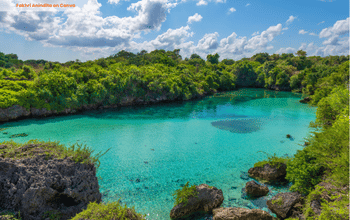
What sets Sumba apart is the strength of its cultural identity. Many communities continue to practice the Marapu belief system, an ancestral religion that shapes daily life, ceremonies, and social structure. Unlike destinations where tradition has become a performance for visitors, on Sumba the customs remain deeply authentic.
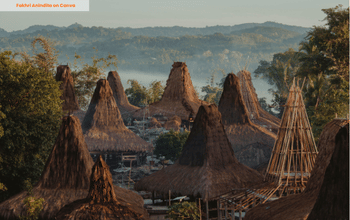
Traditional villages are usually built on hilltops or elevated ridges. The most distinctive feature is the uma mbatangu — tall, peaked thatched houses that can reach impressive heights. These houses are not museum pieces; many are still inhabited. Surrounding them are megalithic stone tombs, some weighing dozens of tonnes, that continue to be used for important burials. This living megalithic tradition is extremely rare in the modern world.
Must-Visit Traditional Villages
- Ratenggaro Village – One of the most iconic settlements, located near the coast with dramatically tall houses and a striking collection of stone tombs.
- Praijing (Prai Ijing) – Easily accessible from Waikabubak and known for well-preserved architecture and welcoming community.
- Other notable villages – Tarung, Wailang, and several settlements in both West and East Sumba offer further insight into local life.
Visitors are generally welcome when accompanied by a respectful attitude and, ideally, a local guide. A small donation or gift is customary and supports the community.
Ikat Weaving: Textile Art with Deep Meaning
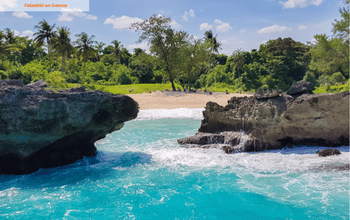
Sumba is famous for its handwoven ikat textiles, which are among the most distinctive in Indonesia. The process is complex and time-consuming — threads are dyed with natural pigments before weaving, and a single high-quality piece can take many months to complete. Motifs often feature horses, birds, human figures, and geometric patterns that carry cultural and social significance.
In villages around Waingapu and other parts of East Sumba, you can watch weavers at work and purchase textiles directly from the makers. Supporting local artisans in this way helps preserve a craft that remains central to Sumbanese identity.
Nature That Feels Untamed
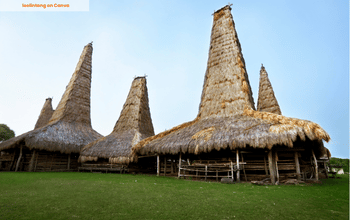
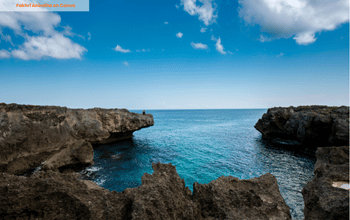
Beyond its cultural richness, Sumba offers landscapes that feel raw and expansive. Rolling savannah hills, dramatic coastlines, and clear lagoons create scenery that is both beautiful and surprisingly diverse.
Beaches and Lagoons
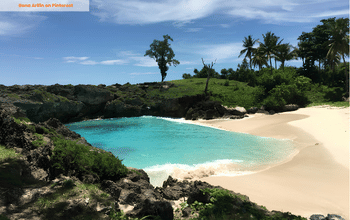
- Weekuri Lagoon – A stunning saltwater lagoon with clear turquoise water, perfect for swimming on a sunny day.
- Walakiri Beach – Famous for its “dancing” mangrove trees that create striking silhouettes at sunset.
- Mandorak Beach – A peaceful stretch of golden sand ideal for swimming and relaxation.
- Nihiwatu Beach – Known for excellent surfing and dramatic coastal scenery.
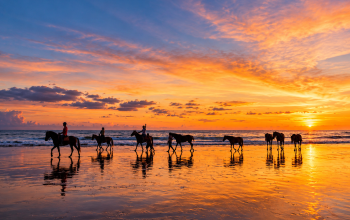
In several areas, particularly in East Sumba, you may also encounter herds of Sandalwood horses grazing freely near the beach or across open grasslands — one of the island’s most memorable sights.
The Legendary Pasola Festival
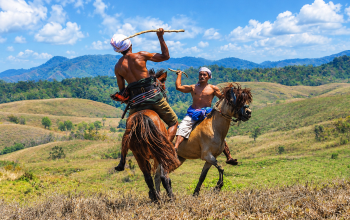
If your visit coincides with February or March, you may have the chance to witness Pasola, Sumba’s most famous traditional ceremony. During this ritual, skilled horsemen from opposing groups charge across an open field and throw blunted wooden spears. The event is closely tied to the agricultural calendar and Marapu beliefs, and it is considered one of the most extraordinary living cultural spectacles in Indonesia. Exact dates vary each year according to local lunar and natural signs, so flexibility is essential if you hope to attend.
Practical Tips for Visiting Sumba
Sumba is less developed than many Indonesian destinations, which is part of its charm. The main entry points are Tambolaka Airport (West Sumba) and Waingapu Airport (East Sumba). Most travelers need a private driver or rental vehicle to explore effectively, as public transport is limited and distances can be significant.
The dry season from April to November is generally the most comfortable time to visit. A stay of at least four to five days allows you to experience both cultural villages and natural highlights without rushing. Hiring a knowledgeable local guide greatly enhances the experience, especially when visiting traditional communities.
For further background on Sumba’s unique heritage, resources from reputable travel publishers and cultural organizations provide valuable context on Marapu traditions and megalithic practices.
Experience Sumba with Thoughtful Planning
Sumba Island rewards travelers who value authenticity over convenience. It is a place where ancient traditions continue, nature remains largely unspoiled, and every day feels like a genuine discovery. Whether you come for the villages, the textiles, the horses, or the beaches, Sumba leaves a lasting impression.
If you would like to explore this hidden cultural paradise with careful planning and local insight, the team at SannHoliday Indonesia can help. We create customized itineraries that balance cultural immersion, scenic highlights, and comfortable logistics. Visit our website to learn more about Sumba experiences or contact us for a free consultation. Let us help you discover one of Indonesia’s most remarkable and least crowded destinations.
Sumba is waiting — authentic, powerful, and unforgettable. “`

Maybe you are interested in reading the following article:
The Magic of Bali: Where Tradition Meets Tropical Paradise
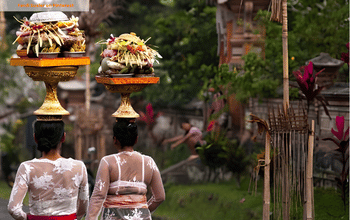
Bali has long been known as the Island of the Gods, and the description still feels accurate. Here, intricate Hindu temples rise against dramatic cliffs or float beside calm lakes, while emerald rice terraces cascade down volcanic hillsides. At the same time, tropical beaches, warm hospitality, and a vibrant creative energy complete the picture. What... read more
Labuan Bajo Travel – Open Trip & Paket Wisata Komodo
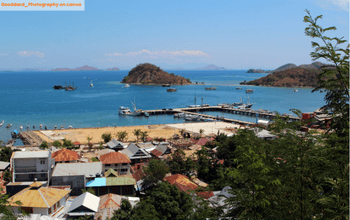
Labuan Bajo bukan lagi sekadar kota kecil di ujung barat Flores. Destinasi ini menjadi pintu masuk menuju Taman Nasional Komodo dengan pemandangan pulau, bukit, pantai, dan laut yang sulit ditemukan di tempat lain. Jika kamu sedang mencari paket wisata Labuan Bajo, ada banyak pilihan perjalanan, mulai dari open trip hingga private trip. Namun, sebelum bookin... read more
Labuan Bajo: Petualangan, Alam, dan Keindahan yang Tak Terlupakan
Di ujung barat Pulau Flores tersembunyi sebuah destinasi yang mampu memadukan petualangan, keindahan alam, dan momen yang sulit dilupakan. Labuan Bajo bukan hanya gerbang menuju Taman Nasional Komodo, tetapi juga tempat di mana Anda bisa mendaki bukit untuk melihat pemandangan spektakuler, berenang di pantai berpasir merah muda, serta menyaksikan komodo di h... read more
PT.Sannjaya Anugerah Wisata
https://sannholidayindonesia.com/ merupakan brand spesialis perjalanan wisata di Indonesia yang dimiliki dan dikelola oleh PT Sanjaya Anugerah Wisata (SannHoliday).
SannHoliday Indonesia - Connecting You to the Best of Indonesia
Wizata Theme versi 1.2.1 by Oketheme.com
Contact Us
If you have any questions, please contact us.
-
Hotline
+6285373868668 -
Whatsapp
+6281260328410 -
Messenger
oketheme -
PIN BBM
BBM123 -
LINE ID
LINE123 -
Email
info@sannholidayindonesia.com


No comment yet